Bog Water Press
A quiet home for myth, memory, and the long echo of consequence
THE LINE OF THE BLACK WATER
A novel in six books by Thomas Worrell
The Line of the Black Water follows one family across three centuries in America—from the hills of Wales in the 1680s to the Pine Barrens of New Jersey in 2006.Built from over twenty years of archival research, original family documents, and historical records, it is a work of fiction grounded in fact: a story about what gets carried forward, what gets lost, and what the land remembers when the people forget.
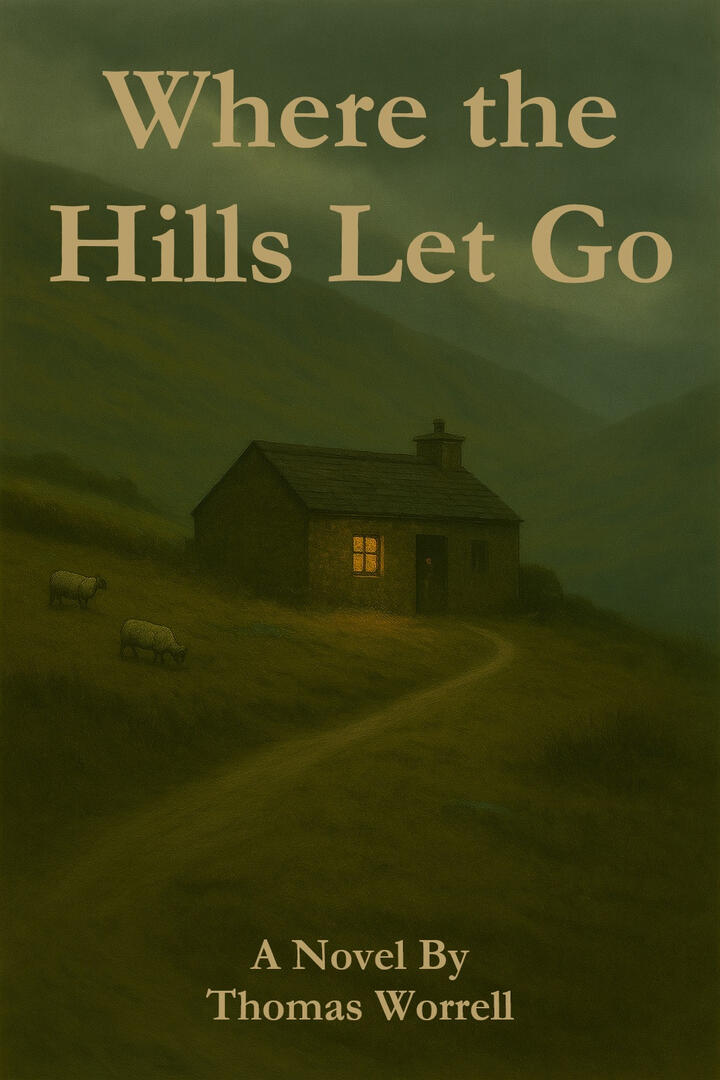
Book One — Where the Hills Let Go
Merionethshire, Wales, 1680sThomas ap Rhys is a magistrate who keeps the law, keeps the ledger, and keeps the peace. When a directive from the Crown orders him to report every Quaker in the valley, one of the names belongs to a man he has known since childhood: Rees ap John.When soldiers drag Rees and his children barefoot into the rain, Thomas must choose between the office he holds and the man he cannot condemn. Rees will die in a Crown garrison. His wife Catrin’s hands will fail her before the year is out. And Thomas—who never meant to be anything but a magistrate in a Welsh valley—will gather the children, board a ship, and carry them across the Atlantic to a piece of Pennsylvania Rees purchased sight unseen, on the strength of a letter that said the creek sounded like home.
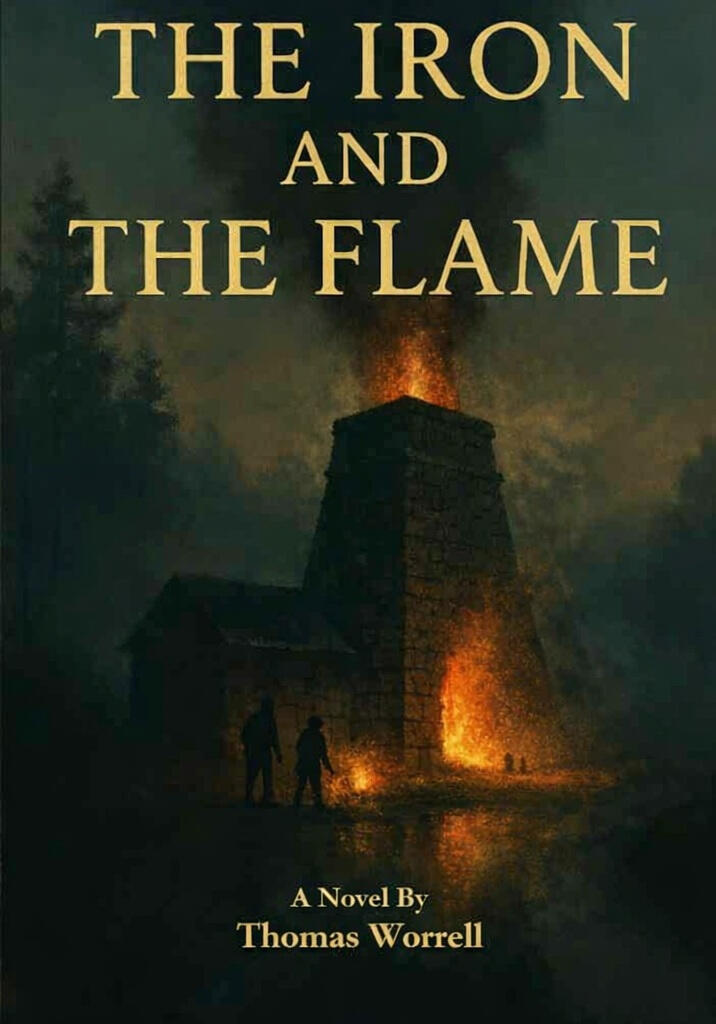
Book Two — The Iron and the Flame
Philadelphia, 1790sBenjamin Jones arrives in the city with sixty pounds in banknotes and his father's instructions: learn the ledger, learn the prices, learn the men. He learns all three. He marries. He keeps a warehouse on the Delaware. By twenty-six, he is a widower.What pulls him back is iron — not the bar iron stacked in his warehouse, but the bog ore drawn from the black water of the New Jersey Pine Barrens. When Benjamin rides into the cedar forests of Burlington County and stands on the bank of the Rancocas for the first time, the water runs the color of strong tea over a bed of rust, and he understands, before he has the words for it, that he has found the thing his father was preparing him for: Hanover Furnace.
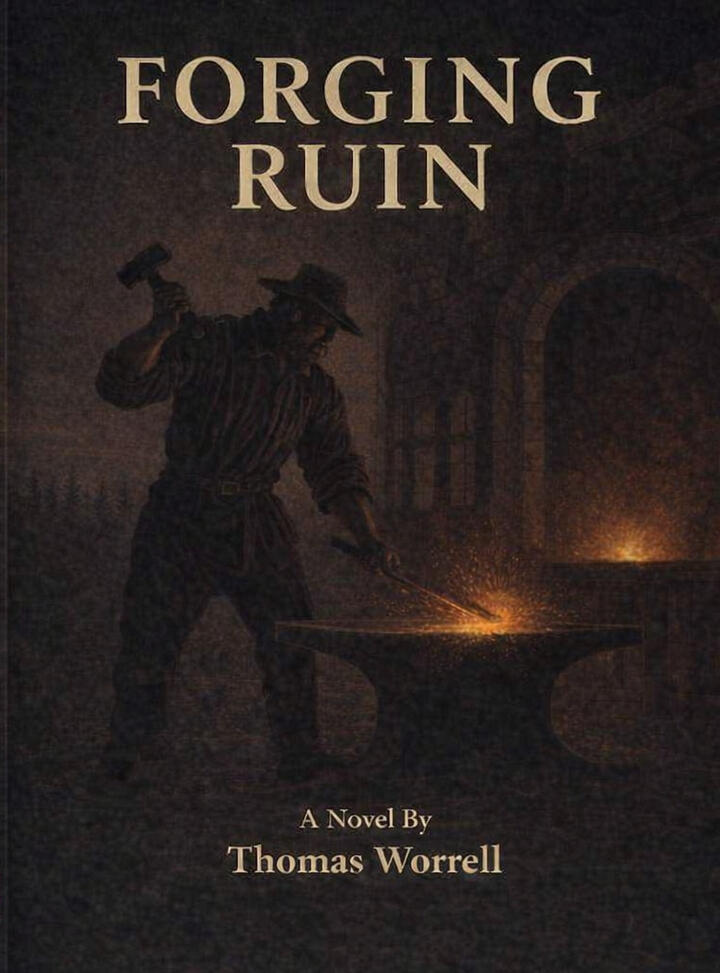
Book Three — Forging Ruin
New Jersey Pine Barrens, 1812The furnace breathed. That was the first thing Richard Jones learned about Hanover — before the names of the workers, before the rhythm of the blast, before the smell of charcoal burning hot enough to turn bog ore into liquid iron.Richard inherits forty-four thousand acres of pine forest and an empire his father built from nothing. He will push it even further — iron works, a zinc patent, a town called Florence rising on the Delaware. But the patent courts will hand his process to another man. The creditors will circle. And a telegram will arrive that breaks something in him that iron cannot mend.Coming soon.
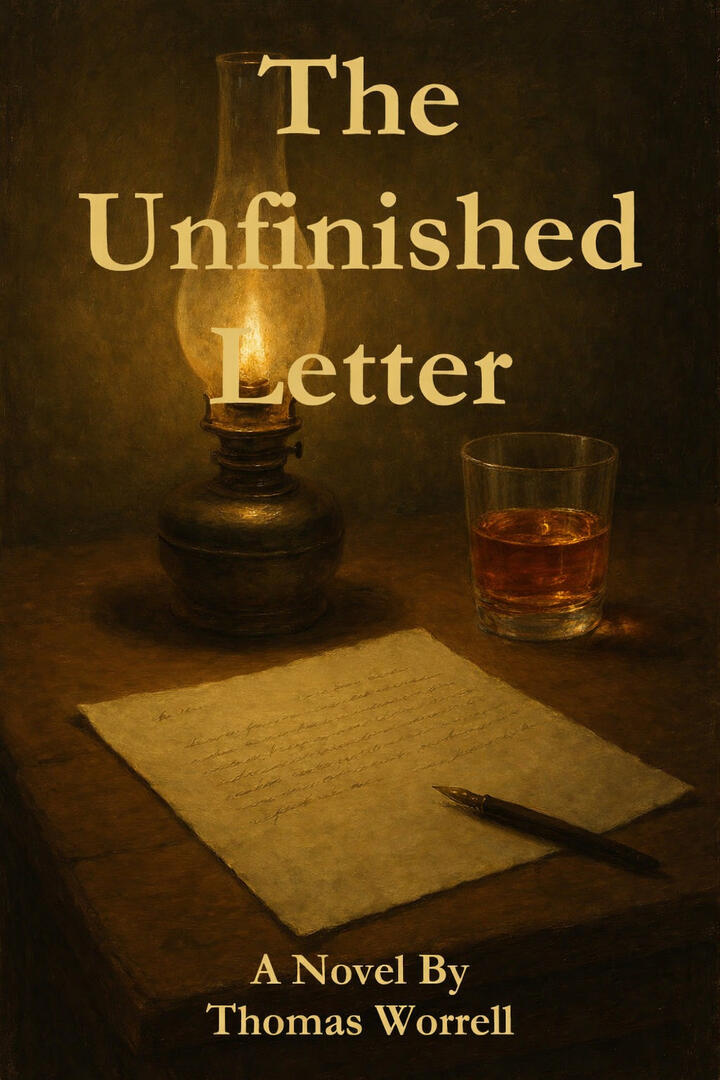
Book Four — The Unfinished Letter
Hanover Furnace, New Jersey, 1849Ivins Davis Jones grows up at the edge of a lake that holds the reflection of everything his family has built. He is the ironmaster's son — the boy who watches the moulders work, who stands at the frozen edge and pauses before crossing. At fourteen, his father presses a silver watch into his palm and sends him to Haverford. At twenty, the war takes him.Ivy's letters home are the best writing the family will ever produce — from the camps outside Washington, from the cavalry in Virginia, from a tropical colony on the coast of South America. But something in the voice changes. And when he comes home, the foundry yard is dark, the weeds are waist-high, and the war has left him with a promise he cannot keep.Coming Soon.

Book Five — Heir Unapparent
Hanover Furnace, New Jersey, 1865William Carroll Jones is born in a house across the lake from the mansion his family built and lost. The furnace is already going cold. The empire his grandfather raised from bog iron is dissolving into trusts and tax notices and a house in Pemberton that belongs to someone else.He becomes a pharmacist. He buys a building on Main Street in New Egypt, stands behind a pine counter, and stays for forty-three years. The town calls him Doc. He compounds the Break-Up remedy his son invented and writes letters to men in New York who never write back. The son dies young. A swindler puts the family name in the headlines. And a granddaughter who will inherit everything he quietly kept grows up not knowing what any of it means.Coming Soon.
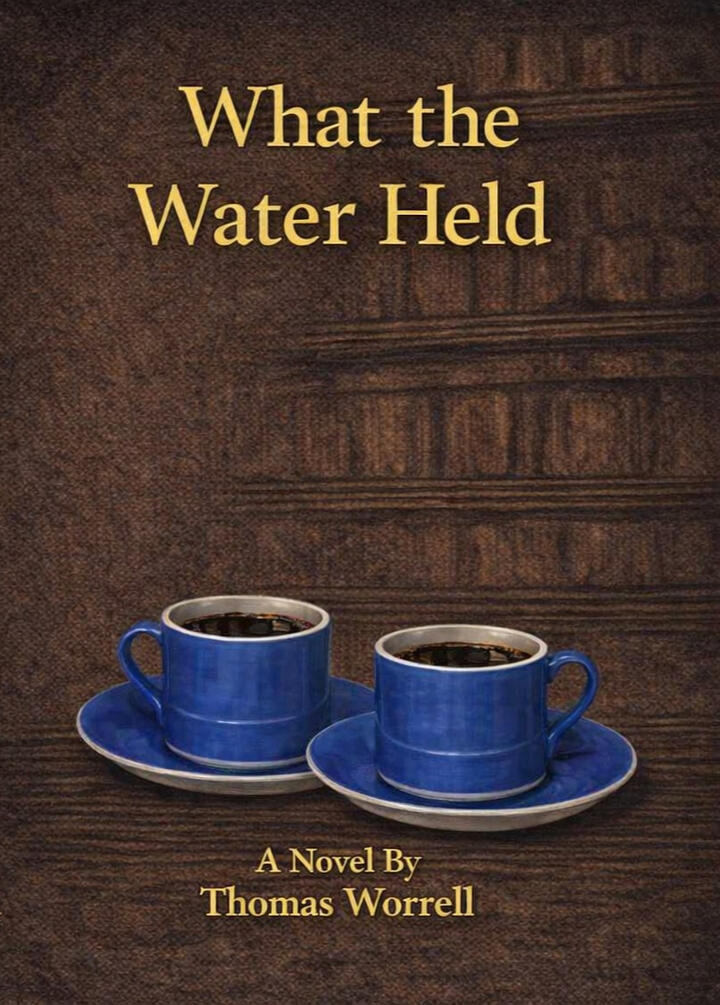
Book Six — What the Water Held
New Egypt, New Jersey, 1925A ten-year-old girl sits on a high stool in her grandfather's pharmacy and listens to stories about wizards and crows and pigs that turn to wood chips in a creek. She does not know the stories are about her own family. She does not know that her ancestors built the iron furnace in the pines. She does not know that the suitcase in the closet holds a map of forty-four thousand acres that were once hers.Vivien Jones Worth will marry a man made of motion — a vaudeville dancer, a pilot, a man who drives too fast and fills every room he enters. She will hold the war years and the flying years and the long silence after the flying stops. She will hold the bankruptcy and the beauty shop and the grandchildren and the sixty years without understanding what her name means. Until a grandson opens the suitcase, unfolds the map, and follows the lines all the way back to the beginning.Coming Soon.
Thomas Worrell comes from the Jones ironmaster line of the New Jersey Pine Barrens, a family whose history threads through the furnaces, rivers, and cedar swamps that shape his fiction.The Line of the Black Water is built from two decades of research and a personal archive of more than 300 documents and artifacts—letters, ledgers, photographs, and fragments of a world that no longer exists. His work explores how families carry their histories forward, often without knowing the weight they hold.
© 2026 Bog Water Press